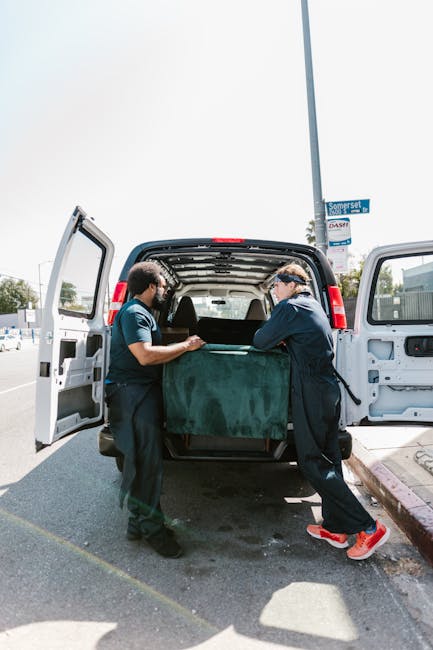
Cheap Hornchurch man with van removals: what to avoid before you book
If you are searching for Cheap Hornchurch man with van removals what to avoid, chances are you want a simple move without the headache. Fair enough. A low price can look perfect on a busy week, especially if you are moving a few boxes, a sofa, or the contents of a small flat. But cheap does not always mean good value. Sometimes it means hidden fees, poor communication, or a van that turns up late with no plan at all.
This guide breaks down the real risks, the red flags to spot, and the practical steps that help you book a man and van service in Hornchurch with a lot more confidence. We will look at what to avoid, what good service should include, and how to compare quotes without getting caught out. No fluff. Just the stuff people usually wish they had checked earlier.
One small truth from experience: the cheapest quote is rarely the cheapest move.
Table of Contents
- Why Cheap Hornchurch man with van removals what to avoid Matters
- How Cheap Hornchurch man with van removals what to avoid Works
- Key Benefits and Practical Advantages
- Who This Is For and When It Makes Sense
- Step-by-Step Guidance
- Expert Tips for Better Results
- Common Mistakes to Avoid
- Tools, Resources and Recommendations
- Law, Compliance, Standards, or Best Practice
- Options, Methods, or Comparison Table
- Case Study or Real-World Example
- Practical Checklist
- Conclusion
- Frequently Asked Questions
Why Cheap Hornchurch man with van removals what to avoid Matters
Let's face it: moving is stressful enough without adding avoidable problems. Hornchurch has its own rhythm too. Busy streets, parking restrictions, tight driveways, shared access, school runs, the odd awkward stairwell, all of it can make a supposedly simple move more complicated than it first looks.
That is why knowing what to avoid matters just as much as knowing what to book. A cheap man with van service can be excellent for small removals, local deliveries, single-item transport, or short-notice moves. But if you choose purely on price, you may end up with a service that is underprepared, uninsured, or vague about what happens on the day.
People often assume all low-cost removal options are similar. They are not. Some operators run tidy, well-organised jobs and keep overheads lean. Others cut corners on planning, equipment, and communication. The difference becomes very obvious when your wardrobe will not fit through the doorway, or the van arrives with no blankets and no straps. Suddenly the "cheap" part feels less charming.
From an SEO point of view, this topic matters because readers are not just looking for a price. They are looking for reassurance, sensible trade-offs, and warning signs. In other words, they want to avoid regret. That is the real search intent here.
How Cheap Hornchurch man with van removals what to avoid Works
A man and van removal service is usually a flexible option for transporting items with one driver, one helper, or a small team using a van sized for lighter moves. The job might be as simple as collecting furniture from one address and delivering it to another. Or it might involve loading, carrying, dismantling basic furniture, and placing items in the right rooms.
The service works best when both sides are clear before the move begins. That means the customer explains the job properly and the provider gives a quote based on real information, not vague guesses. If a quote looks suspiciously low, ask what it includes. Travel time? Fuel? Waiting time? Stairs? Heavy lifting? Parking charges? The awkward part is that some of those costs only show up later if they were not discussed early enough.
A decent service process usually looks like this:
- You describe the load, locations, access issues, and timing.
- The provider gives a clear quote or estimate.
- Any limits are explained in plain English.
- You confirm dates, addresses, and what happens if access changes.
- On the day, the van turns up with the right equipment and a plan.
That sounds simple, and it should be. If a provider cannot explain their process clearly, it is usually a sign to slow down.
You can also look at a company's pricing and quotes information to understand how transparent they are about the moving process. Clear pricing is not just about numbers; it is about trust.
Key Benefits and Practical Advantages
To be fair, there are good reasons people choose a cheaper man with van option in Hornchurch. When the job is small or time-sensitive, it can be a smart, efficient way to move without paying for a full-scale removals crew.
Here are the main advantages when the service is chosen well:
- Lower cost for smaller moves - ideal for one-bed flats, student moves, single-item transport, or light office runs.
- Flexibility - useful for short notice jobs and awkward delivery windows.
- Local familiarity - a Hornchurch-based operator often understands local roads, parking pressure, and loading challenges.
- Less waste - you pay for the service you need rather than a full van load if you do not need it.
- Faster coordination - fewer moving parts can mean simpler communication, which is a relief when you are already juggling keys, boxes, and a kettle somewhere in the chaos.
The key is not to chase the lowest figure blindly. It is to get a fair price for a properly scoped job. That difference is where people save money in the end.
If you want a sense of the company behind the service, it is sensible to read the about us page before you book. A credible local business usually explains who they are, how they work, and what kind of customer care you can expect.
Who This Is For and When It Makes Sense
This kind of service is often right for people who do not need a full removals package but still want help with transport and lifting. That includes:
- flat moves within Hornchurch or nearby areas
- students moving furniture or boxes
- single-item deliveries, such as a bed, sofa, or appliance
- small business moves or stock transfers
- garage, shed, or storage clearances
- people who can pack themselves but need the van and muscle
It also makes sense if you are trying to avoid overpaying for a larger removals service when the job is modest. But if your move involves lots of fragile items, large furniture, long carry distances, awkward access, or a strict time slot, you need to be more careful. Cheap can quickly become expensive if the service cannot cope with the reality of the job.
A common example: someone books a budget van for a two-bedroom flat move, forgets to mention the third-floor walk-up, and suddenly everyone is sweating by 9:15am. No one enjoys that. Nobody.
Step-by-Step Guidance
If you want to avoid mistakes, follow a simple process. It does not need to be complicated.
- List everything that needs moving. Write down furniture, boxes, appliances, fragile items, and anything unusually heavy or awkward.
- Check access at both addresses. Note stairs, lifts, parking, loading restrictions, and narrow hallways.
- Ask what the quote includes. Confirm loading, unloading, travel time, mileage, fuel, waiting time, and any extra helper charges.
- Ask about insurance and vehicle protection. A proper provider should be able to explain how goods, public liability, and transit risk are handled in general terms.
- Confirm timing in writing. You want a clear date, approximate arrival window, and a contact method on the day.
- Check cancellation and payment terms. If a deposit is required, understand when it becomes non-refundable and how payment is taken.
- Prepare the load. Label boxes, disassemble items if needed, and set aside essentials you want to keep with you.
- Do a final walk-through. Before the van leaves, check cupboards, loft spaces, shed corners, and behind doors. It happens more often than you think.
That last step sounds obvious, but in the rush of moving day, obvious things get missed. A kettle in the back of a pantry. Keys in a drawer. A charger left behind. Tiny details, annoying later.
If you are comparing numbers at the quote stage, the provider's pricing and quotes guidance can help you judge whether a price feels realistic for the work described.
Expert Tips for Better Results
Here is the useful bit that many people skip.
Ask better questions than "How much?" A cheap quote means little unless you know the assumptions behind it. Try questions like: How long is the booking for? What happens if parking is difficult? Is there a call-out minimum? Are there extra costs for help carrying items up stairs?
Be honest about volume. People often understate the amount they need moved because they want to keep the quote down. That can backfire. A van that is too small may mean extra trips, which eats time and money.
Make access details boringly clear. Yes, boring. But useful. If the van cannot park close to the property, that changes the job. If there is no lift, that changes the job too. You want the quote to reflect reality, not wishful thinking.
Check the tone of the communication. This sounds soft, but it matters. If messages are vague, delayed, or overly defensive before the move has even happened, that is a clue. Good operators usually sound calm and straightforward. No drama, no mystery.
Choose value over rock-bottom price. In practical terms, paying slightly more for punctuality, proper equipment, and insurance support is often the better bargain. Especially if you are moving a sofa through a narrow hall at 7:30 in the morning and would quite like the job done once.
Expert summary: The safest cheap move is not the lowest quote. It is the quote that is clear, realistic, and backed by a provider who answers questions without dodging them.
If you want to understand how a company approaches customer care and transparency, the contact page is often more revealing than the homepage. Fast, clear replies tend to tell you a lot.
Common Mistakes to Avoid
This section is the heart of the topic. If you avoid these errors, you already reduce a lot of risk.
- Booking on price alone. The biggest mistake, by far. A tiny saving can cost more later if the service is poor.
- Not checking insurance. You should always know what level of cover or protection is available in principle, even if you never need to use it.
- Giving incomplete job details. Missing the number of boxes, access restrictions, or heavy items leads to misunderstandings.
- Assuming the van size is obvious. A small van, medium van, and large van all suit different jobs. Guessing is a poor plan.
- Forgetting stairs and parking. In Hornchurch, that can seriously affect timing and labour.
- Ignoring payment terms. If a provider wants cash only, a large deposit, or vague upfront payment, ask why.
- Skipping written confirmation. Even a short message confirming the price and job details helps avoid arguments later.
- Not checking what happens if the job runs over. Extra time can change the cost. Better to know now than feel surprised later.
There is also a quieter mistake: overpacking boxes so they become impossible to carry safely. Heavy boxes with books or kitchenware can cause trouble fast. You can hear the difference, actually - that dull thud when a box hits the pavement a bit too hard. Not ideal.
And one more thing. Avoid providers who seem annoyed by questions. A trustworthy business should be comfortable explaining the basics, especially around timing, payment, and safety.
Tools, Resources and Recommendations
You do not need specialist equipment for every move, but a few simple tools make the day smoother.
- Strong boxes and tape for neat, stackable packing
- Furniture blankets to reduce scuffs and protect surfaces
- Straps or tie-downs to keep loads steady in the van
- Marker pens and labels so boxes land in the right rooms
- Trolley or sack truck for heavier items where suitable
- Basic measuring tape to check whether large furniture will fit through doors and turns
For service quality and trust, it is also sensible to review company information such as insurance and safety and the health and safety policy. Those pages are useful because they show how the business thinks about risk, handling, and care. That matters more than people sometimes realise.
If you are moving items into temporary storage or clearing a property, sustainability can matter too. The recycling and sustainability information may help if you want to understand how unwanted items, packaging, or disposal are handled responsibly.
And if you are the kind of person who likes to read the small print - wise move, honestly - the terms and conditions and payment and security pages can help you understand booking expectations and how payments are managed.
Law, Compliance, Standards, or Best Practice
For a local man and van service, the big issue is usually not complex law; it is basic professional practice. That said, a reputable operator should behave in line with sensible UK business standards. That means being clear about pricing, careful with goods, honest about limitations, and respectful around personal property.
Best practice includes:
- working with proper vehicle insurance and sensible load security
- being upfront about anything excluded from the quote
- taking reasonable care when lifting, carrying, and loading items
- respecting customer property and access arrangements
- handling payments securely and transparently
If you ever need to raise an issue, it helps when a business has a clear process. A visible complaints procedure gives you a proper route if something goes wrong, which is far better than chasing someone who goes quiet after the move.
It is also worth checking a provider's privacy policy if you are sharing personal contact details, addresses, or booking information online. Simple trust signals count. So does careful handling of your data, even for a small local move.
For businesses with stronger compliance expectations, you may also see reference to a modern slavery statement. That may feel distant from a man and van booking, but it can still signal wider ethical standards and responsible business practice.
Options, Methods, or Comparison Table
If you are unsure whether a cheap man with van option is right for your move, compare it with the other common choices. This is where a lot of people make a more grounded decision.
| Option | Best for | Strengths | Risks or limits |
|---|---|---|---|
| Cheap man with van | Small local moves, single items, light household jobs | Flexible, usually lower cost, simple to book | Can be under-scoped, limited capacity, quality varies |
| Standard removals team | Larger home moves, more furniture, full relocation jobs | More manpower, more planning, usually better for complex moves | Higher price, may be more than you need for a small job |
| Self-move with hired van | Very budget-conscious moves where you can lift and drive | Lower labour cost, full control over packing and timing | More effort, more risk of damage, no help with lifting |
If your move is light and straightforward, a cheap Hornchurch man with van service can be a good fit. If the job is bigger or more fragile, the better move may be to pay for more support. Simple as that.
Case Study or Real-World Example
Here is a realistic example. A couple moving from a first-floor flat in Hornchurch needed a sofa, a bed frame, a mattress, and around twenty boxes taken to a nearby house. They got two quotes. The lower one looked brilliant at first glance, but the provider would not clarify whether stairs were included, and there was no mention of blankets or straps.
The couple chose the slightly higher quote instead. Why? Because the provider asked detailed questions about access, parking, and furniture sizes. On the day, the team arrived with the right kit, loaded carefully, and handled a narrow stair turn without drama. Nothing flashy. Just competent, calm work. That is what you want, really.
The lesson is not that the cheapest option is always wrong. It is that the cheapest option should still make sense. If the quote feels too easy, it may have skipped something important.
That sort of job tends to go better when the service feels organised from the first message, not heroic on moving day after everything has already gone sideways.
Practical Checklist
Use this checklist before you confirm a booking.
- Have I listed everything that needs moving?
- Have I mentioned stairs, lifts, narrow access, and parking issues?
- Do I know exactly what the quote includes?
- Have I asked about timing, waiting, and extra labour?
- Do I understand the payment terms?
- Have I checked that the provider can explain insurance and safety basics?
- Is there written confirmation of the date and job details?
- Have I checked the provider's terms and conditions?
- Do I know how complaints are handled if something goes wrong?
- Have I prepared boxes, labels, and fragile items properly?
If you can tick most of those boxes, you are in a much better position. If not, slow down. Another five minutes now can save a lot of irritation later. It really can.
Conclusion
Choosing a cheap man with van service in Hornchurch is not about avoiding low prices. It is about avoiding the wrong kind of cheap. The difference is in the details: clear quotes, honest communication, safe handling, realistic timing, and proper expectations.
When you know what to avoid, the whole process becomes calmer. You compare the right things. You ask sharper questions. You stop being dazzled by the lowest number on the page and start looking at actual value. That shift alone can save time, stress, and a fair bit of money.
If you are ready to plan your move, take a moment to review the company's trust pages, read the fine print, and make sure the service matches the job. That is how you keep a cheap move from becoming an expensive lesson.
Get a free quote today and see how much you can save.
And if you are still weighing it up, that is fine too. A good move starts with a clear head, not a rushed decision.
Frequently Asked Questions
What should I avoid when booking a cheap man with van in Hornchurch?
Avoid booking on price alone, skipping insurance checks, giving vague job details, and assuming the quote includes everything. Those are the usual trouble spots.
Is the cheapest quote always bad?
Not always. A low quote can still be good value if the provider is clear, organised, and realistic about the job. Cheap and reliable can exist together, just not by accident.
How do I know if a man with van quote is too low?
If the quote is much lower than others and the provider asks few questions, it may be missing labour, waiting time, stairs, mileage, or access issues.
Do I need insurance for a man and van move?
You should check what protection is available and how the provider handles risk. A trustworthy business should be able to explain this without making it awkward.
What details should I give to get a proper quote?
Tell them what you are moving, how much there is, whether there are stairs or lifts, parking restrictions, and whether any items are heavy, fragile, or awkward.
Can a cheap man with van service handle furniture?
Yes, often it can. But larger furniture needs proper planning, suitable van space, and safe lifting. A cheap service that is not prepared can struggle with bulky items.
What payment terms should I watch out for?
Look out for unclear deposits, cash-only pressure without explanation, or vague extra charges. Good payment terms should be straightforward and confirmed in writing.
Should I choose a Hornchurch local mover over a wider-area company?
Local knowledge can help with parking, timing, and route planning. That said, the quality of the individual provider matters more than the postcode alone.
How far in advance should I book?
For a small move, some people book fairly close to the date, but it is safer to book early if you have a set schedule or need weekend timing. Busy periods disappear quickly.
What if the job is bigger than I expected on the day?
Speak up before loading starts if you realise the volume is higher than planned. It is much easier to adjust early than after half the house is already in the van.
What signs suggest a provider may be unreliable?
Very vague answers, poor communication, no written confirmation, reluctance to discuss insurance or terms, and a price that seems strangely low are all warning signs.
Where can I check the company's policies before booking?
You can review pages such as terms and conditions, insurance and safety, and contact information to understand how the business operates and how to reach them if needed.