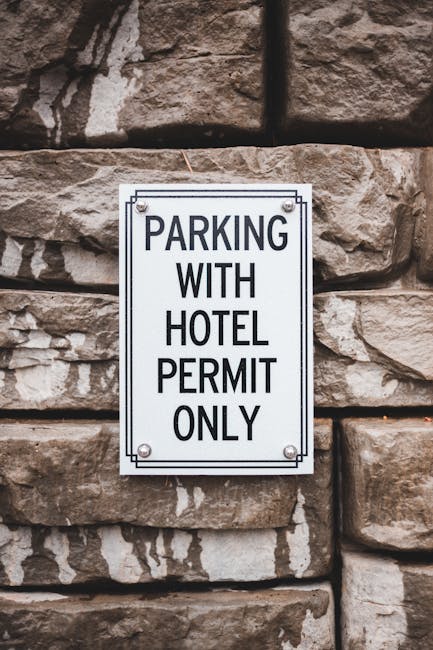
Hornchurch Removals Parking Permits Havering Council Rules: A Practical Guide for Moving Day
If you are planning a move in Hornchurch, parking can become the detail that makes everything run smoothly, or turns the day into a bit of a headache. The rules around Hornchurch removals parking permits Havering Council rules matter because removal vans, loading space, and resident bays are not something you want to improvise on the morning. A small delay can quickly snowball when the lift is booked, the neighbours are waiting, and the rain starts, which in London it often does at the least convenient moment.
This guide explains how parking permits and local restrictions usually work for removals in Hornchurch, what to check before moving day, and how to avoid the common mistakes that cause fines, stress, or a van parked half a street away. It is written for people who want clear, practical guidance rather than vague advice.
Why Hornchurch removals parking permits Havering Council rules Matters
Parking rules are not the glamorous side of moving house, but they are often one of the most important. In Hornchurch, as in much of outer London, roads can be busy, bays can be controlled, and space for a large removals vehicle may be limited. If you get parking wrong, you may face avoidable disruption, extra carrying distance, or in the worst case a penalty notice. None of that helps when you are trying to move a sofa through a narrow hallway at 8:30 on a wet Tuesday morning.
For removals, parking matters for three practical reasons. First, the van needs to be close enough for efficient loading and unloading. Second, the team needs safe access for heavy items such as wardrobes, appliances, and stacked boxes. Third, the moving schedule usually depends on everyone working to a tight window. A good parking plan protects all three.
There is also a neighbourly side to it. Hornchurch streets include a mix of terraced roads, residential estates, flats, and busier local routes. A removal vehicle blocking driveways, corners, or marked bays without permission can create tension fast. Nobody wants to start a move by upsetting the people next door. To be fair, most neighbours are understanding if they can see you have planned properly.
If your move involves more than a small carry, it is worth treating parking as part of the moving plan, not an afterthought. That is especially true if you are using a service like house removals or moving from a flat where access is tighter than it looks from the pavement.
How Hornchurch removals parking permits Havering Council rules Works
The broad idea is simple: if the road outside your property is controlled, restricted, or likely to be busy, you may need permission or a permit for the removal vehicle to park legally. In practice, the exact arrangement depends on the street, the type of restriction in place, and the timing of the move.
Havering Council rules may affect parking in different ways. Some streets have resident bays, shared-use bays, single or double yellow lines, controlled parking zones, loading restrictions, or time-limited waiting rules. A removals van may be treated differently from a private car, but that does not mean it can park anywhere. The key is checking the restrictions before the move and making sure the vehicle is parked in line with the local rules.
Sometimes a permit is needed only for the van. In other situations, you may also need to reserve space, arrange dispensation, or make sure the moving crew knows where loading is allowed. The details matter because a lift or a chain of helpers is only as efficient as the parking spot in front of the building. If the van has to circle the block three times, the whole day feels longer. And heavier.
For flats, the process can be slightly more complicated. Buildings with shared entrances, visitor bays, or private estate roads may have their own rules on top of the council's. That is one reason why local experience matters. If you are organising a flat removals job, parking checks should happen early, not on the morning of the move.
Key Benefits and Practical Advantages
Sorting out parking permissions before moving day gives you more than legal peace of mind. It improves the pace, reduces physical effort, and makes the move feel controlled rather than chaotic.
- Less wasted time: the team can load and unload close to the property instead of carrying boxes down the street.
- Lower risk of delays: fewer hold-ups means a better chance of finishing within the booked slot.
- Reduced stress: knowing the van has a legal place to stop makes the day feel more manageable.
- Better protection for furniture: shorter carry distances help reduce bumps, knocks, and scrapes.
- Fewer neighbour issues: planned parking is simply easier for everyone to live with.
There is another benefit people often overlook: a sensible parking setup can save energy. If you are moving a full household, every extra trip from van to front door adds up. By lunchtime, you will feel the difference in your shoulders, and so will the removal crew. That is why many customers choose a local moving service such as local removals or man and van when the access is tight and timing matters.
If your move is a bigger life change, parking planning often sits alongside storage decisions too. A move can be easier when part of the load goes into short-term storage or removals and storage, especially if completion dates are a little awkward. Truth be told, a few smart decisions here can make the whole process feel much less frantic.
Who This Is For and When It Makes Sense
This topic is relevant to far more people than first-time buyers. If you are moving in or out of Hornchurch, you may need to think about parking permits and Havering Council rules in all of these situations:
- moving from a terraced house on a narrow residential road
- moving into a flat block with controlled parking bays
- arranging a weekend move when street parking is already busy
- using a large lorry or long wheelbase van
- moving office equipment or stock in a commercial area
- needing multiple vehicle visits during the same day
- having limited lift or stair access, where close parking makes a real difference
It also makes sense if you are moving with children, pets, or elderly relatives in the mix. A quieter, more organised loading point can reduce the sense of upheaval. You know the kind of morning where the kettle is on, there are labels everywhere, and someone is trying to find a phone charger at the last second? Good parking takes some of that edge off.
Businesses should think about it too. Office moves, archive relocations, and stock transfers can involve heavier loads, more people, and stricter timing. If that sounds familiar, pages like office removals and business storage are worth a look as part of the planning stage.
Step-by-Step Guidance
Here is a practical way to handle Hornchurch removals parking permits Havering Council rules without turning it into a mystery project.
- Check the street restrictions early. Look at the road outside the property and identify whether it is controlled, has permit bays, yellow lines, or loading restrictions.
- Measure access realistically. Think about where the van can actually stop, not just where it would be convenient. A large removals vehicle may need more space than a car driveway can provide.
- Ask about permit needs as soon as the moving date is set. If you wait until the day before, you may be cutting it fine. Better to sort it while the date is still flexible.
- Coordinate with the removal company. Tell them about any restrictions, one-way streets, gates, height barriers, or narrow turns. These details matter more than people realise.
- Reserve the space or apply for permission if needed. If the street needs a permit or formal parking arrangement, make sure it is in place before the van arrives.
- Share the plan with everyone involved. Let family members, tenants, building managers, or neighbours know the approximate loading time if that is appropriate.
- Have a backup plan. If the closest bay is unavailable, know where the next sensible stopping point is and how the crew will handle the extra carry.
A simple note in your phone can save a lot of chasing around. Address, restrictions, contact person, moving time, and any access codes. That is often enough. Not fancy, just useful.
If you are moving a modest amount of furniture, a smaller vehicle may reduce the parking challenge. In those cases, small removals can be a practical option, particularly where a full-sized lorry would be overkill.
Expert Tips for Better Results
In our experience, the best moving days are the ones where parking has been treated like part of the logistics, not a side note. A few extra checks can make the day feel calmer from the start.
- Do a street walk the day before. Sometimes the road layout online or in your head does not match reality. A quick look in daylight helps.
- Think about loading direction. If the van must park on the opposite side of the road to the front door, factor in crossing time and safety.
- Keep lifts and neighbours in mind. In flats, the speed of movement inside the building can be just as important as the parking bay outside.
- Use colour-coded labels. If the van is parked slightly further away than planned, clearly labelled boxes reduce back-and-forth confusion.
- Build in a buffer. If the permit or parking arrangement starts at 9am, do not schedule arrival for exactly 9am. Give yourself breathing room.
One small but useful habit: take a photo of the parking area before and during the move. It sounds overly cautious until there is a dispute about bay markings or space use. Then it suddenly seems very sensible. A bit boring, maybe. Effective, definitely.
For people packing themselves, good preparation can also cut the time the van spends parked. The more ready your belongings are, the less likely the crew will need to keep adjusting the vehicle position. Supportive services like packing services can help if you want the process to be quicker and less stop-start.
Common Mistakes to Avoid
Most parking problems on moving day come from a few very ordinary mistakes. The good news is they are all avoidable.
- Leaving permit checks too late. This is the big one. People often focus on boxes and cleaners first, then parking becomes an urgent chore at the end.
- Assuming a removals van can park like a private car. Bigger vehicles can face different restrictions and may need more space to stop safely.
- Ignoring estate or building rules. Private land, visitor bays, and shared driveways often have their own expectations.
- Forgetting about access times. Some streets are easier in the morning than late afternoon, especially if residents have returned home.
- Not telling the moving team about local quirks. Low bridges, tight turns, and awkward bollards are the sort of details that make everyone sigh later.
- Blocking driveways or emergency access. That is the sort of thing that can create immediate complaints, and rightly so.
It is also easy to overestimate how much space you will have. We have all done it: looked at a road and thought, "Yes, the van will fit there," only to realise the neighbour's car, a delivery slot, and the bin collection have other ideas. Happens.
If you want a more compact moving arrangement, a man and van setup can sometimes be easier to manage on constrained streets than a larger vehicle, especially for smaller loads or shorter journeys.
Tools, Resources and Recommendations
You do not need a giant project plan, but you do need the right information. A simple toolkit is enough.
- Your moving date and time window so you can line up parking with the schedule.
- Property access notes such as flat numbers, lift access, codes, and any restrictions on loading.
- Street photos so you can share the situation with the removal team if needed.
- Contact details for your building or landlord where private parking decisions may be involved.
- A written checklist to avoid relying on memory while everything else is changing around you.
From a service perspective, it can also help to choose a company that understands local moves rather than only long-distance jobs. Local knowledge often shows up in small ways: knowing how long loading takes on certain streets, where vans can reasonably wait, and how to work around a stair-heavy property. That is one reason people often compare removals with a more tailored local option before booking.
If your move includes storing furniture during a gap between tenancies or completion dates, then secure storage or furniture storage can take pressure off the parking plan too. Fewer items on the day means less congestion, and that helps a lot on a cramped street.
Law, Compliance, Standards, or Best Practice
Strictly speaking, the exact council rules are what govern parking permissions in the local area, and those can vary depending on the street, the type of bay, and the time of day. So the safest approach is to check the current local parking arrangements before moving day and not assume that all residents or moving vehicles are treated the same.
From a practical best-practice perspective, moving companies should operate in a way that reduces obstruction, protects public safety, and respects nearby residents. That usually means:
- parking as close as legally and safely possible
- avoiding blockages to driveways, crossings, and junctions
- keeping loading time efficient
- using suitable equipment for heavy lifting
- following any relevant site or estate instructions
It is also sensible to keep records of what was arranged, especially where permits, reserved spaces, or estate permissions are involved. If a dispute comes up later, a simple note can be useful. Nothing dramatic, just good housekeeping.
If you are booking a professional move, check the company's wider approach to safety and responsibility as well. Pages such as health and safety policy and insurance and safety show the kind of care you should expect from a reputable operator.
Options, Methods, or Comparison Table
Different moves need different approaches. The right parking solution usually depends on the property type, the size of the vehicle, and how much time you have.
| Approach | Best for | Pros | Watch out for |
|---|---|---|---|
| Pre-arranged parking permission | Controlled streets, flats, and busy roads | Clearer access, less uncertainty | Needs advance planning |
| Small vehicle or man and van | Smaller moves or awkward access | More flexible parking, easier manoeuvring | May require more trips for larger loads |
| Full removals vehicle | House moves with significant volume | Efficient loading, fewer journeys | Needs more space and better parking control |
| Move with storage in the middle | Gap between move-out and move-in dates | Less pressure on moving day | Requires an extra handling step |
For many households, the decision is not about choosing the single "best" method. It is about choosing the least stressful one for the street you actually live on. A long van on a narrow road can be a poor match, even if everything else about the move looks straightforward.
Case Study or Real-World Example
Imagine a family moving from a first-floor flat in Hornchurch to a semi-detached house a few streets away. The flat is on a road with controlled parking, the front entrance opens directly onto the pavement, and the lift is too small for the larger wardrobes. On paper, the move seems simple enough.
But once the removals van arrives, the reality is different. A parked car takes up the best bay, the remaining space is too tight for the tail lift, and the crew would have to carry boxes a long way if they stop further down the road. That means slower loading, more strain, and a higher risk of bumped furniture.
Now compare that with a move where the parking was checked a few days earlier. The driver knows exactly where the van can stop, the family has labelled the boxes, and the main furniture is ready by the door. The move still takes effort, of course. It always does. But the day feels organised, the neighbours are less affected, and everyone gets home with fewer battle scars.
That small difference in planning is why parking permits and Havering Council rules are worth taking seriously. They do not just affect compliance; they affect the whole tone of the move.
Practical Checklist
Use this checklist in the final week before moving day.
- Confirm the moving date and time.
- Check whether the street has permit bays, yellow lines, or loading restrictions.
- Find out whether the van needs permission or a reserved space.
- Tell the removals team about any access issues, gates, or low-clearance areas.
- Let building management or your landlord know if needed.
- Prepare boxes so they can be moved quickly once the van is parked.
- Keep a backup parking option in mind.
- Make sure everyone knows the loading point on the day.
- Keep keys, documents, and essentials separate from packed items.
- Double-check the contact number for the driver or moving team.
If your move is complicated by temporary storage, office equipment, or multiple addresses, it can help to plan the whole sequence at once. Services like self storage, household storage, and mobile self-storage may be useful depending on how much flexibility you need.
Get a free quote today and see how much you can save.
Conclusion
Hornchurch removals parking permits Havering Council rules may not sound exciting, but they sit right at the heart of a smooth move. If you handle parking properly, you reduce stress, avoid unnecessary delays, and make the day much easier for everyone involved. That is especially true in streets where space is tight, access is awkward, or the van needs to work efficiently from the first box to the last chair.
The best approach is simple: check early, plan carefully, and make sure the removals team understands the local parking situation before moving day. Do that, and you are already ahead of the game. A calm move is rarely an accident.
If you are preparing for a move in Hornchurch, it is worth exploring the wider support available from about us, pricing and quotes, and contact us pages as part of your planning. The more joined-up your approach, the smoother the whole process tends to feel.
And honestly, that little bit of extra preparation can make moving day feel less like a scramble and more like a proper fresh start.
Frequently Asked Questions
Do I need a parking permit for removals in Hornchurch?
It depends on the street and the restrictions in place. Some roads may allow loading for a short time, while others require a permit, dispensation, or another form of permission. The safest option is to check the exact parking controls for the property well before moving day.
Who usually applies for the permit, me or the removals company?
That depends on the arrangement. In many cases, the homeowner or tenant starts the process because the permit is tied to the property or local parking area. Some removal companies may help guide the process, but it is best not to assume they will handle it automatically.
Can a removals van park on yellow lines in Hornchurch?
Not automatically. Yellow line rules are specific and can vary by time, location, and type of loading activity. Do not treat them as a free parking option. If a van needs to stop near yellow lines, check whether loading is allowed and whether any time limits apply.
What happens if the parking bay is full on moving day?
That is where a backup plan helps. You may need to use a nearby legal stopping point, adjust the loading sequence, or ask the moving team to start from the van at a different angle. It is inconvenient, but manageable if you have thought about it in advance.
How far in advance should I check Hornchurch parking rules?
As soon as you know the moving date. A few days might be enough for some simple arrangements, but earlier is better because it gives you time to resolve any issues. Leave it until the last minute and you may be stuck with the least convenient option.
Are parking rules different for flats and houses?
Yes, they often are. Flats can involve shared entrances, visitor bays, estate rules, or private land permissions on top of council restrictions. Houses may still have yellow lines or controlled parking nearby, so the exact property type only tells part of the story.
Is a man and van easier for parking than a large removals lorry?
Usually, yes. A smaller vehicle is often easier to position in tight roads and can be more flexible with parking space. That said, a smaller vehicle may mean more trips if you have a lot of belongings, so it is a trade-off rather than a perfect fix.
Can storage help if parking is tricky on moving day?
Absolutely. If your move is split over several days or you want fewer items handled at once, storage can reduce pressure and shorten the loading time. Options such as short-term or secure storage can be useful when dates do not line up neatly.
What should I tell the removal team before the move?
Tell them about parking restrictions, access routes, stairs, lifts, gates, traffic calming, and any nearby obstacles. The more accurate the picture, the better they can plan the vehicle size and arrival time. It saves everyone a lot of guessing.
What is the biggest mistake people make with removal parking?
Waiting too long to check the rules. People often sort the boxes, cleaners, and key handover first, then scramble to deal with parking at the end. That is usually when things become messy. Parking should sit near the top of the moving checklist.
Does a professional removals company usually know local parking issues?
A good local company should have a practical understanding of access challenges, though they still rely on you to give them the latest information about your address. Local knowledge helps, but it does not replace checking the current parking situation yourself.
What if I only have a small number of items to move?
If the load is light, a smaller removal option may be enough, and that can make parking much simpler. Services such as small removals are often better suited to compact moves where a full-size truck would be unnecessary.
Where can I find more support if my move is more complicated?
If your move involves business assets, documents, or longer holding periods, it may help to look at broader support such as document storage, office storage, or long-term storage. Sometimes the cleanest move is the one with a little extra breathing space built in.