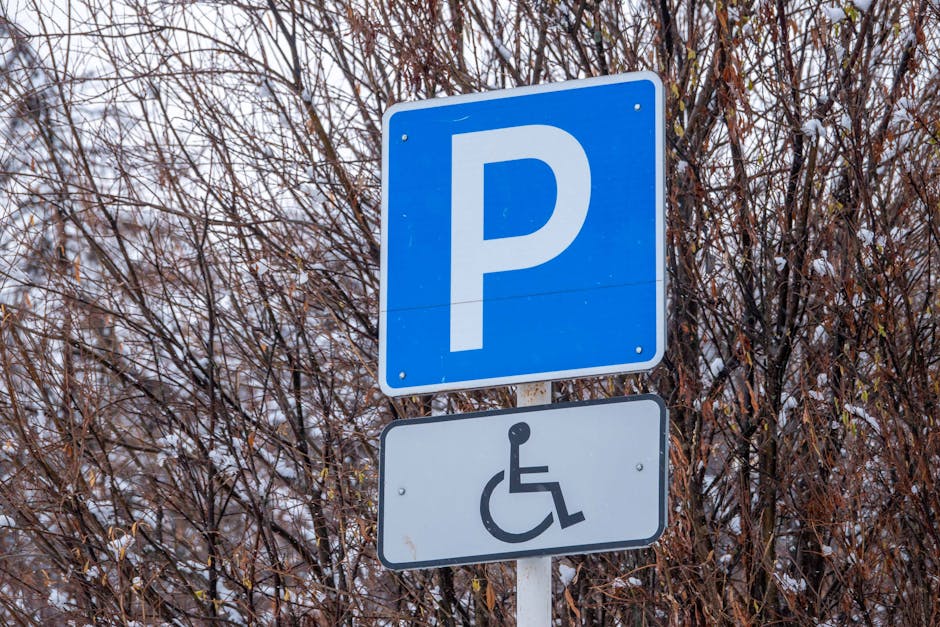
Upminster Road removals access and parking tips Hornchurch

If you are planning a move on or around Upminster Road, the little details can make a big difference. A van parked badly, a tight turning point, or a missed parking restriction can turn an otherwise straightforward removal into a slow, stressful morning. This guide to Upminster Road removals access and parking tips Hornchurch is written to help you avoid those headaches and plan the day with a bit more calm.
Hornchurch has that familiar suburban mix: residential roads, busier stretches, school-run traffic, and the occasional awkward loading spot that looks fine from a distance and then becomes a problem the moment the vehicle arrives. Truth be told, most moving-day delays are not dramatic disasters. They are usually small, avoidable issues. The good news? Once you know what to look for, you can solve a lot before the first box is lifted.
This article explains the access challenges, parking realities, practical steps, common mistakes, and the best ways to prepare so your move feels organised rather than chaotic. You will also find a checklist, a comparison table, and a few local examples that should make the whole thing a lot clearer.
Why Upminster Road removals access and parking tips Hornchurch Matters
On removal day, access and parking are not side issues. They are the backbone of everything else. If the van cannot stop close enough to the property, your team spends longer carrying items, doors stay open for longer, and the whole job can become slower and more expensive. On a road like Upminster Road, where traffic flow, kerb space, and nearby side streets all affect the move, a bit of planning goes a long way.
Hornchurch moves often involve a mix of terraced homes, maisonettes, flats, and family houses with limited frontage. Some properties have driveways, some do not, and some have enough room for a car but not a removal vehicle. That is why local access planning matters so much. It is not just about where the van parks. It is about how the crew carries furniture, where they can safely load, and whether the route from door to vehicle is practical.
A simple example: if a sofa has to be carried around a parked car, through a narrow gate, then down a sloping pavement, the time and risk both increase. Nothing fancy. Just real-world friction. And on moving day, friction costs time.
There is also the issue of keeping neighbours happy. No one likes a lorry blocking their driveway or a van idling outside for ages. Clear parking arrangements and tidy loading habits make a good impression and reduce complaints. That part matters more than people expect.
Expert summary: The smoother the access, the shorter the carry, the lower the risk of damage, and the less stressful the move feels for everyone involved. Small planning choices do add up.
How Upminster Road removals access and parking tips Hornchurch Works
Good removal planning usually starts before the van arrives. The process is simple in principle, but it needs a practical eye. You look at the property, the road layout, the likely parking options, and the size of the vehicle. Then you decide how close the van can safely get, whether any temporary parking arrangement is needed, and what the loading sequence should be.
In a busy Hornchurch setting, that means thinking about a few things together:
- how wide the road is and whether larger vehicles can pass
- where the nearest legal stopping point is
- whether there are yellow lines, permit restrictions, or time-limited bays
- how far the carry distance will be from door to van
- whether there are steps, shared entrances, or narrow hallways
- if access is better from the front, rear, or a side passage
That sounds like a lot, but in practice it is just common sense with a local accent. A crew that knows what to expect can pack the van in a better order, bring the right trolley or blankets, and avoid the awkward last-minute shuffle. If the move involves more furniture than you first thought, related services such as house removals or flat removals can be a sensible match depending on the property type.
Parking is often the piece people underestimate. You may be allowed to stop briefly for loading, but that is not the same as leaving a vehicle in place for an hour. The safest approach is to think in terms of what is legal, what is realistic, and what gives the crew enough space to work efficiently without causing a nuisance. Simple, but easy to get wrong if you leave it to chance.
Key Benefits and Practical Advantages
Sorting access and parking properly may not sound exciting. It is not the glamorous part of moving house. But it pays off in practical ways that you feel very quickly on the day.
- Less carrying distance: The closer the van can park, the fewer trips your movers need to make.
- Lower risk of damage: Shorter carries usually mean fewer chances to bump walls, doors, or furniture.
- Better timekeeping: A move stays on schedule more easily when parking is sorted in advance.
- Reduced stress: You are not scrambling for a space while the team waits and traffic builds behind them.
- Better neighbour relations: Thoughtful parking and loading keep complaints to a minimum.
- Safer handling: Heavy items are easier to manage when the route is direct and predictable.
There is also a financial angle, even if it is not always obvious. Delays and awkward access can make a job less efficient. In some cases, that may affect how a quote is structured or how long the team needs on site. A well-planned move is often the calmer move, and let's face it, calmer usually means better value too.
If you are comparing moving options, it can help to think about support services as part of the picture. For example, if you need help carrying a lighter load from a difficult parking position, a service such as man and van may suit smaller moves, while a larger family relocation may be better handled through local removals.
Who This Is For and When It Makes Sense
This guidance is useful for a wide range of people, but it is especially relevant if your move falls into one of these categories:
- you live on or near Upminster Road and have limited private parking
- you are moving from a flat, maisonette, or upper-floor property
- you have large furniture items that need careful carrying
- you expect the road to be busy with school-run or commuter traffic
- you are moving on a weekday and want to avoid peak congestion where possible
- you are unsure whether a removal van can stop close enough to your door
- you want to reduce the risk of delays, complaints, or accidental damage
It is also useful if you are managing a move with children, pets, elderly relatives, or a tight handover window. In those situations, the small stuff suddenly becomes the big stuff. Where do the keys go? Which room gets loaded first? Can the van wait safely while you do the final walkthrough? These are real questions, not admin fluff.
If you are in a hurry, services like same-day removals may come into play, but access planning matters even more when time is short. Rushing without parking sorted is, frankly, asking for trouble.
Step-by-Step Guidance
Here is a practical way to approach access and parking for an Upminster Road move. This is the kind of process that keeps the day under control.
1. Check the property frontage and nearby kerb space
Start with the basics. Can a van stop directly outside, even briefly? Is there enough width for doors to open safely? Are there parked cars, lamp posts, trees, or railings that will get in the way? A quick look at the street at the same time of day as the move can be surprisingly revealing.
2. Measure carry distance in simple terms
You do not need a tape measure and a clipboard unless you want one. Walk the route from the property door to the likely parking spot. If it feels long, awkward, or exposed to traffic, it probably is. Short carry routes are worth their weight in gold on moving day.
3. Identify restrictions before the booking day
Look for yellow lines, resident bays, loading restrictions, or signs that might affect parking. If the street is controlled, you may need to plan around permitted times or arrange another legal stopping point nearby. Do not assume stopping for "just five minutes" will be fine. Parking officers have heard that one before.
4. Decide whether extra help is needed
Some moves need more than a standard van. If access is tight, if the route is long, or if you have larger items, a bigger team or additional support may be wise. For storage between moving dates, options such as removals and storage or secure storage can keep the process from becoming messy.
5. Tell the removals team about the road early
This is the step people skip most often. Be specific. Mention any narrow points, parking concerns, stairs, access codes, shared driveways, or the fact that your entrance is round the back rather than the front. The more realistic the picture, the better the plan.
6. Prepare the loading route
Move shoes, bins, bikes, planters, and anything else that could clog the path. If the route is clear, the team can work faster and safer. It sounds obvious. Yet on busy mornings, the porch area somehow fills up with things that no one remembers putting there.
7. Keep a backup plan
If the closest space is taken, know the next best option. A side street, a legal loading bay, or a turning point slightly further away can save the day. Not ideal, but manageable. The main thing is not to improvise under pressure.
Expert Tips for Better Results
In our experience, the best moves are the ones where the awkward bits are handled before anyone is tired. Here are the details that tend to make a genuine difference.
- Do a quick street check the day before: Parking conditions change. Someone may have arranged builders, a skip, or another delivery.
- Use smaller loads if access is tight: It can be easier to shuttle smaller boxed loads than to wrestle with oversized, overpacked cartons.
- Label heavy and fragile items clearly: That helps the team place them in the van in the right order, which matters when carry distance is awkward.
- Keep a small "must not lose" bag: Keys, documents, medication, chargers, tea bags. The usual essentials. Do not let them vanish into a box mountain.
- Protect the route indoors: A stair runner, cardboard, or covers can reduce scuffs if the path is tight.
- Start earlier than you think: Morning light and lighter traffic are often your friends, especially on roads that become busier later in the day.
A small but useful trick: if your home has a front and rear access option, test both before moving day. Sometimes the "obvious" route is not the practical one. A side gate may be narrower, but if it shortens the carry and avoids parked cars, it may still be the better choice.
And yes, there is always that one item that weighs more than it looks. The washing machine, the sideboard, the bookcase. You know the type.
Common Mistakes to Avoid
Most problems with access and parking are predictable once you have seen a few moves. The same patterns crop up again and again.
- Assuming the van can park anywhere: Brief stopping and parking are not the same thing.
- Ignoring local traffic patterns: A road that feels quiet at midday may be much busier during school run hours.
- Forgetting to mention restrictions: If you know about permit zones or narrow access, say so early.
- Leaving bins, cars, or clutter in the way: These small obstacles become big obstacles the moment furniture arrives.
- Booking too late in the day: Evening congestion can make loading slower and parking harder.
- Not checking weather conditions: Rain makes pathways slick and can slow everything down. Not ideal, obviously.
One more mistake worth mentioning: people sometimes focus only on the front door. But access includes the whole chain, from road to kerb to hallway to stairs to landing. A weak link anywhere in that chain can slow the whole move.
Tools, Resources and Recommendations
You do not need a toolkit worthy of a building site, but a few simple items and habits help a lot. For many Hornchurch moves, the essentials are basic and practical rather than fancy.
| Item or Approach | Why It Helps | Best For |
|---|---|---|
| Cones or temporary markers | Helps reserve a legal space if appropriate and visible | Properties with tricky frontage |
| Floor protection | Reduces scuffs on hallways and thresholds | Flats, narrow entrances, older properties |
| Box labels by room | Speeds unloading and room placement | Any move with multiple rooms |
| Short carry route plan | Makes the loading sequence more efficient | Busy streets and small driveways |
| Storage backup | Helps if keys are delayed or access changes | Staggered completions or downsizing |
If you need temporary space because the move-out and move-in timings do not line up perfectly, consider whether short-term storage or household storage fits your situation. For smaller, higher-turnover moves, small removals can also be a sensible fit.
For larger house moves, a service like removals gives you a broader option set, while packing support from packing services can remove some of the pressure if you are trying to keep the move efficient and orderly.
Law, Compliance, Standards, or Best Practice
Parking and loading around a move should always follow local restrictions and normal road safety expectations. That includes respecting yellow lines, permit-only areas, access points, dropped kerbs, driveways, and any signs that limit loading or stopping. If the road is controlled, the safest approach is to plan around the rules rather than hoping for an exception.
It is also sensible to think about duty of care. Removal teams should aim to protect property, avoid causing obstruction, and keep the route safe for residents and pedestrians. That matters on busier roads where foot traffic, parked vehicles, and passing cars all share the same space.
In practice, best practice usually means:
- parking legally and safely
- keeping access clear for others where possible
- using appropriate equipment for heavy items
- protecting floors, walls, and door frames
- communicating clearly about access limitations
If you are comparing providers, it is fair to ask about insurance and safety procedures. A reputable service should be able to explain how it handles damage prevention, vehicle safety, and site access. You can also review details such as insurance and safety and the company's health and safety policy before you book. That kind of checking is not being picky. It is just sensible.
For related background on pricing transparency, pricing and quotes can help set expectations, especially if access conditions may affect the time required. If you need a company overview first, the about us page is usually a good place to start.
Options, Methods, or Comparison Table
Different moves call for different approaches. Below is a simple comparison that may help you decide what suits your Hornchurch property and the parking situation outside.
| Method | Best For | Pros | Trade-offs |
|---|---|---|---|
| Standard van close to property | Good frontage, legal stopping nearby | Fast loading, shorter carry distance | Dependent on parking being available |
| Van parked further away | Busy roads or controlled parking | More flexible, easier to arrange | Longer carry, slower loading |
| Smaller vehicle and multiple trips | Tight streets and limited access | Fits into narrow spaces more easily | Can take longer overall |
| Combined removals and storage | Delayed move-in or staggered dates | Reduces pressure when timing is uncertain | Extra planning required |
| Professional packing plus removals | Busy households or fragile loads | Streamlines the day and reduces mistakes | More services to coordinate |
There is no one perfect method for every property. If access is good, keep it simple. If access is awkward, plan for flexibility. That is usually where people save themselves the most grief.
Case Study or Real-World Example
Imagine a family moving from a two-storey home just off Upminster Road to another property in Hornchurch. The house looks straightforward at first glance. But the front garden has a short path, parked cars tend to fill the street by mid-morning, and the hallway is narrow enough that large items need careful turning. Nothing impossible. Just the sort of thing that rewards preparation.
The family checks the road the day before, notices that a neighbour's builders have taken one side of the street, and decides to ask the removals team to arrive early. They clear the hallway, move the bins, and keep one space outside free where possible. Because the crew knows the access is tight, they bring the right gear and load the van in a practical order, starting with heavier items that need less frantic handling.
The move still takes effort, of course. Moves always do. But instead of the day being dominated by parking problems, it becomes a matter of steady, organised work. Boxes go out in order, the carry route stays clear, and the final sweep of the property is done without panic. Not glamorous, just effective. And that is what most people really want.
For households that need extra room between leaving one property and entering the next, storage can be the difference between a cramped, stressful day and a much calmer one. In those situations, long-term storage or mobile self storage may be worth considering.
Practical Checklist
Use this simple checklist in the final days before the move. It is not fancy, but it works.
- Confirm the exact moving date and arrival time.
- Walk the access route from street to door.
- Check for parking restrictions and likely congestion.
- Tell the removals team about steps, gates, narrow halls, or shared access.
- Clear the driveway, front path, and hallway.
- Move personal essentials into one separate bag or box.
- Label fragile and heavy items clearly.
- Arrange any storage needs in advance if dates do not align.
- Keep keys, documents, and phone chargers easy to reach.
- Have a backup parking plan in case the nearest space is taken.
Quick take: the best removal days usually feel almost boring in hindsight. That is a compliment. Boring often means planned, and planned is exactly what you want here.
Conclusion
Upminster Road removals access and parking tips Hornchurch are really about one thing: removing uncertainty from moving day. When you understand the road layout, parking restrictions, carry distances, and property access, you give yourself a better chance of a calm, efficient move. And in a busy part of Hornchurch, that calm is worth a lot.
Whether you are moving from a flat, a family house, or a smaller property with limited kerb space, the principles stay the same. Check the access, plan the parking, tell the removals team the awkward bits, and keep a backup option in mind. Do that, and you have already solved many of the common problems before they start.
If you are still weighing up your options, it can help to compare the move type, the size of the vehicle, and whether you need packing or storage support as well. A slightly more careful plan now usually saves a lot of hassle later. Simple, really.
Get a free quote today and see how much you can save.
A good move has a quiet kind of satisfaction to it. Doors close, the van pulls away, and the street settles back down. That is the moment the planning pays off.
Frequently Asked Questions
Can a removal van park on Upminster Road in Hornchurch?
It depends on the exact stretch of road, the time of day, and any local restrictions in place. The safest approach is to check the immediate frontage, nearby side streets, and any parking signs before moving day. Do not assume the van can stop exactly where you want it.
What if there is no space directly outside my property?
If the closest legal space is further away, the move can still go ahead. The team may just need a longer carry route or a different loading plan. That is where early communication matters. A slightly longer walk is not ideal, but it is often manageable.
Should I reserve parking for the removals van?
Only if it can be done legally and appropriately. Some streets allow resident-only or permit-based arrangements, but the right approach depends on the local restrictions. If parking is limited, planning ahead is much better than turning up and hoping for the best.
How early should I plan access and parking for a move in Hornchurch?
As early as you can. Ideally, look at access and parking as soon as the moving date is known. A quick street check a few days before the move can also be helpful, because parking conditions can change from one day to the next.
Does access affect the cost of removals?
It can. Awkward access, long carry distances, or parking problems may affect the time needed to complete the job. Every company prices differently, so it is sensible to explain access details upfront and ask how that may influence the quote.
What should I tell the removals company about my property?
Tell them about stairs, narrow hallways, shared entrances, parking restrictions, gates, side access, and any unusually large or fragile items. The more accurate the description, the smoother the day tends to be. It saves everyone a headache.
Can I use a smaller van if Upminster Road parking is tight?
Sometimes, yes. A smaller vehicle can make sense where access is limited or the road is narrow. But it may also mean more trips or more handling, so it is a balancing act. Smaller is not automatically better; it depends on the load and the route.
What if my move-in or move-out times do not line up?
If there is a gap between properties, storage can bridge that period. Options such as short-term or household storage are often used when completion times shift or keys are delayed. It is a practical backup rather than a last resort.
How can I make loading faster on moving day?
Clear the path, label boxes clearly, keep essentials separate, and make sure the van can get as close as possible within the rules. Packing items by room also helps. Small efficiencies tend to matter most when parking or access is awkward.
What are the most common parking mistakes people make during removals?
The biggest mistakes are not checking restrictions, blocking access unnecessarily, and leaving parking arrangements until the last minute. A lot of people also underestimate how quickly a busy street can fill up. It happens all the time, honestly.
Do I need special help for a flat move near Upminster Road?
If the flat has stairs, limited parking, or narrow access, specialist support can be very helpful. Services geared toward flats or smaller moves can reduce stress and make the loading process more efficient. It is often worth considering if the layout is awkward.
Is it better to move early in the morning?
Often, yes. Early starts can avoid heavier traffic and make parking slightly easier before the street gets busier. That said, the best timing also depends on your building, your neighbours, and the availability of the removals team. Early is not magic, but it does help.